How B2B Platforms Help You Find and Attract Wholesale Buyers
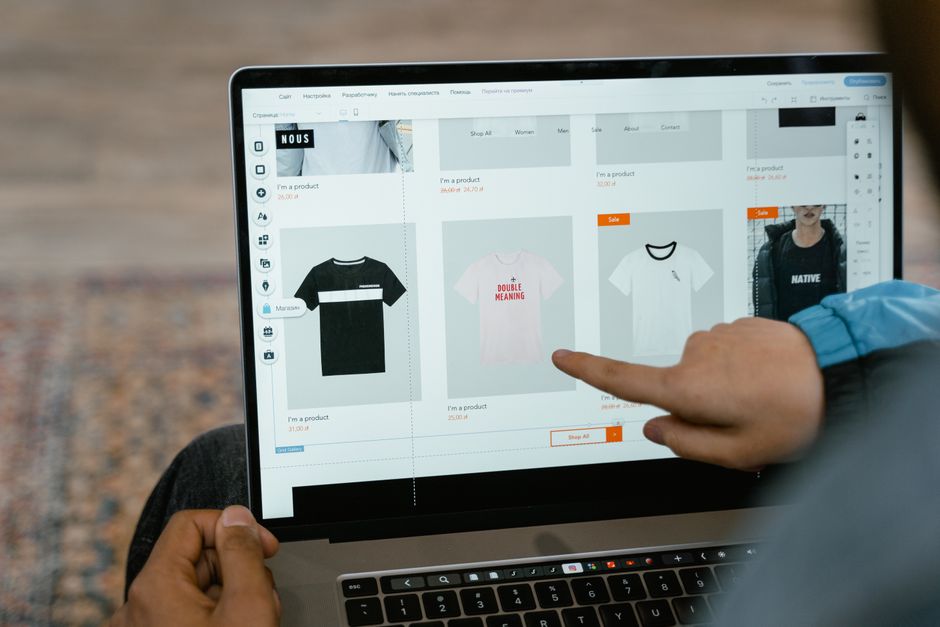
A B2B wholesale platform helps you acquire new buyers by making your catalog visible to retailers actively looking for products, automating the outreach that would otherwise take weeks of manual work, and providing the ordering tools buyers expect. Instead of chasing leads through email threads and phone tag, you get a system that connects you with verified retail contacts, presents your line in a professional storefront, and tracks every interaction from first contact to signed order.
How platforms connect you with retail buyers
B2B wholesale platforms address buyer acquisition in three ways: they give you access to buyer databases, they automate outreach campaigns, and they list your products on marketplaces where retailers are already shopping.
Buyer databases contain contact information for store owners, purchasing managers, and category buyers at independent retailers, regional chains, and specialty shops. Some platforms maintain their own databases with tens of thousands of verified contacts. Others integrate with third-party data providers or pull contacts from marketplace activity. When you upload your catalog, the platform can match your product categories to relevant buyer segments and generate target lists.
Automated outreach runs email campaigns, LinkedIn messages, and sometimes phone campaigns to those target lists. The platform sends introductions, follows up with non-responders, and books discovery calls or demo requests. This replaces the manual work of researching stores, finding contact information, writing individual emails, and logging follow-ups in a spreadsheet.
Marketplace integrations list your products on platforms like Faire and RangeMe, where thousands of retailers browse for new brands every day. The B2B platform syncs your inventory, pricing, and product details to these marketplaces, manages your storefront presence, and handles buyer messages and promotions. You get inbound interest from buyers you would not have reached through direct outreach.
What makes outreach campaigns effective
Effective buyer acquisition campaigns combine targeting, personalization, and persistence. Targeting means sending your pitch to buyers who actually stock products in your category, at stores that match your price point and distribution strategy. A gourmet food brand should reach specialty grocers and gift shops, not big-box chains. A premium apparel line should target boutiques with the right aesthetic and customer base, not discount retailers.
Personalization means the outreach references the specific store, mentions products that fit their existing assortment, and explains why your line makes sense for their customers. Generic "we'd love to work with you" emails get ignored. Messages that show you understand the store's positioning and can name a gap your products fill get replies.
Persistence means following up multiple times across multiple channels. Most buyers do not respond to the first email. A typical sequence includes an initial email, a follow-up email one week later, a LinkedIn connection request, a third email with a limited-time offer or new product announcement, and sometimes a phone call. Platforms automate this sequence so every lead gets the same level of follow-through without manual tracking.
Some platforms, like Get Wholesale Orders, include human outbound calling as part of their buyer acquisition service. Dedicated sales reps call store buyers, pitch your line, answer questions, and follow up until they get a decision. This combines the scale of automated outreach with the relationship-building that still matters in wholesale.
How your B2B storefront supports acquisition
Your wholesale storefront is where interested buyers go after they receive your outreach or find you on a marketplace. It needs to convert that interest into an order. A good B2B storefront shows your full catalog with high-quality images, includes tiered pricing based on order volume, displays minimum order quantities and lead times, and lets buyers place orders directly without switching to email or a phone call.
Buyers expect the same self-service experience they get as consumers. They want to browse your catalog, compare products, see what is in stock, calculate their total with applicable discounts, and submit an order in one session. If your storefront requires them to request a quote, wait for a sales rep to send an invoice, or fill out a PDF order form, you lose a percentage of interested buyers at every friction point.
Storefronts also build credibility. A professional B2B site with complete product information, clear terms, and integrated ordering signals that you are an established brand with the infrastructure to support wholesale accounts. A landing page with a contact form signals that you are still figuring out your wholesale process.
Platforms that integrate with your ERP or inventory management system can show real-time stock levels, prevent orders for out-of-stock items, and automatically route orders to your fulfillment workflow. This eliminates the back-and-forth that happens when a buyer places an order and you have to tell them three items are backordered.
Measuring acquisition performance
B2B platforms track the metrics that matter for buyer acquisition: outreach volume, response rates, meetings booked, quotes sent, orders placed, and customer acquisition cost. You should be able to see how many buyers were contacted, how many opened your emails, how many clicked through to your storefront, how many placed orders, and what the average first order value was.
Response rate tells you if your targeting and messaging are working. If you are getting less than a 5% response rate on cold outreach, your list is too broad or your pitch is not relevant. Conversion rate from response to order tells you if your storefront and pricing are competitive. If buyers are interested enough to reply but not placing orders, the friction is in your ordering process, your minimums, or your terms.
Customer acquisition cost is total acquisition spend divided by new customers acquired. This includes platform fees, outreach campaign costs, and any ad spend. If your average first order is $800 and your acquisition cost is $200 per customer, you are profitable on the first order. If acquisition cost is $500, you need repeat orders to break even.
Some platforms provide a dashboard that shows your acquisition funnel in real time: leads contacted, replies received, discovery calls completed, quotes sent, orders pending, orders confirmed. This visibility lets you identify bottlenecks and adjust your approach without waiting for a monthly report.
When acquisition campaigns work and when they do not
Buyer acquisition campaigns work best for brands with a clear value proposition, competitive pricing, and products that fit an existing retail category. If your products solve a problem retailers already understand, fill a gap in a popular category, or offer better margins than what buyers currently stock, outreach campaigns will generate interest.
Campaigns struggle when the product requires extensive education, when pricing is significantly above category norms without a clear justification, or when the brand is targeting the wrong type of retailer. A complex product with a long sales cycle needs human-led sales, not automated email sequences. A premium-priced product needs to reach buyers who serve customers willing to pay that premium, not mass-market retailers focused on price.
Buyer acquisition also depends on timing. Retailers plan their assortments months in advance. A holiday gift brand reaching out in November will not get orders for that season. A back-to-school product pitched in July is too late. Effective acquisition campaigns start early and align with retail buying cycles.
Comparing platform approaches to acquisition
Different platforms take different approaches to buyer acquisition. Faire and RangeMe are marketplaces where retailers come to discover new brands. You create a storefront, optimize your listings, and wait for buyers to find you. Some marketplace activity is organic, some comes from paid promotions you run on the platform. You get access to a large audience of active buyers, but you are competing with thousands of other brands for attention.
Dedicated B2B wholesale platforms like Shopify B2B or NuORDER give you the storefront and ordering tools, but buyer acquisition is your responsibility. You drive traffic to your portal through your own outreach, your sales team, or your existing relationships. These platforms are built for brands that already have a buyer pipeline and need better tools to manage orders.
Managed services like Get Wholesale Orders combine the storefront with active buyer outreach. They build your portal, then run campaigns to verified retail buyers on your behalf. You get both the platform and the acquisition work, which makes sense for brands that do not have an internal team to run outreach or manage marketplace storefronts.
Getting started with platform-based acquisition
Start by clarifying your ideal buyer profile. What type of stores should carry your products? What geographies matter? What order volume makes an account worth serving? A clear profile lets you evaluate whether a platform's buyer database and targeting options match your needs.
Next, audit your current acquisition process. How many new buyers are you adding per month? What does it cost in time and money to acquire each one? How long does it take from first contact to first order? This baseline lets you measure whether a platform improves your results.
Most platforms offer a trial period or a pilot campaign. Use it to test targeting, messaging, and conversion rates before committing to a long-term contract. Track the same metrics you tracked in your baseline: response rate, meetings booked, orders placed, acquisition cost. If the platform is not delivering better results than your current process after a fair test, it is not the right fit.
Platforms work best when you treat them as part of a broader acquisition strategy, not a replacement for all other efforts. Combine platform outreach with trade shows, referrals from existing accounts, content marketing, and direct sales. The platform should increase your velocity and reach, not become your only source of new buyers.
Frequently asked questions
How long does it take to see results from a B2B buyer acquisition platform?
Most platforms generate initial responses within the first two weeks of launching outreach campaigns. First orders typically come 4 to 8 weeks after launch, depending on your product category, pricing, and the buyer's internal approval process. Marketplaces can produce faster results if your listings gain traction, but consistent acquisition usually takes 2 to 3 months to stabilize.
What size buyer database should a platform have?
Database size matters less than database quality and relevance. A platform with 10,000 verified contacts in your specific product category is more valuable than 100,000 generic retail contacts. Look for platforms that segment by store type, geography, and product category, and that verify contact information regularly.
Can I use a B2B platform if I already have a sales team?
Yes. Platforms complement sales teams by handling high-volume outreach, qualifying inbound leads, and managing reorders, which frees your team to focus on high-value accounts, complex deals, and relationship management. Many brands use platforms for initial outreach and hand off qualified leads to their sales reps for closing.
Do I need a minimum order quantity to make platform acquisition work?
Not necessarily, but lower minimums make acquisition easier because they reduce the barrier for new buyers to test your line. If your minimum is $1,000 or higher, expect longer sales cycles and lower conversion rates. Platforms can still work, but you will need stronger targeting and more personalized outreach to justify the commitment.
How much should I expect to spend on buyer acquisition through a platform?
Platform costs vary widely. Marketplace fees on Faire and RangeMe are typically 15% to 25% of the first order, with lower rates on repeat orders. Dedicated platforms charge monthly fees ranging from $200 to $2,000 depending on features. Managed services that include active outreach start around $1,500 per month. Budget based on your target customer acquisition cost and expected order values.