B2B Wholesale Platform: Your Guide to Growth
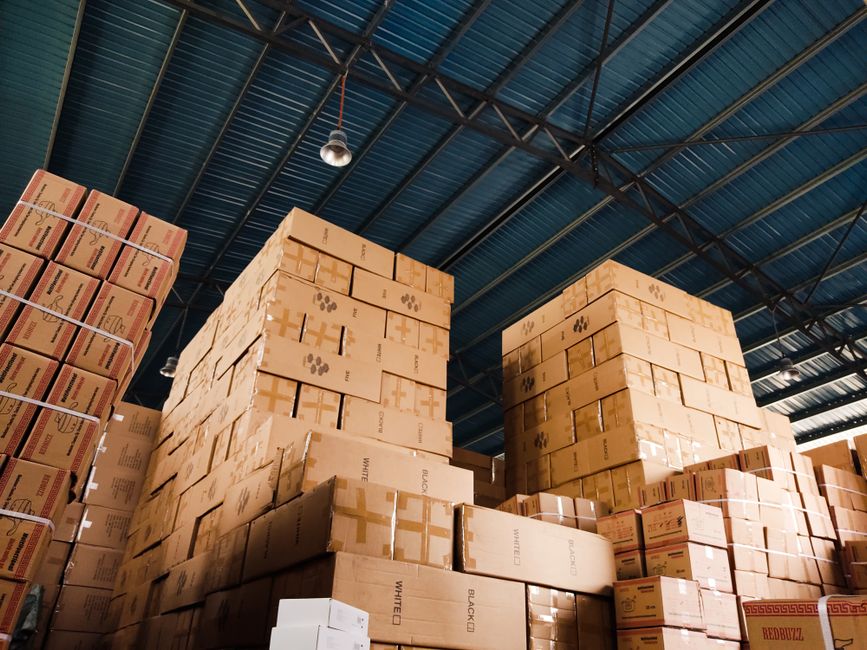
A B2B wholesale platform replaces email threads, spreadsheets, and phone tag with a system where retail buyers log in, browse your catalog, and place orders with your pricing tiers, minimums, and payment terms already in place. For brands selling to retailers, the platform handles order entry, inventory sync, and buyer management so your team stops chasing down orders manually.
The platform works best when paired with active buyer outreach. Most brands set up a portal and wait for traffic. The difference comes from pitching verified retail buyers directly, whether through targeted ads, cold email, phone campaigns, or marketplace storefronts like Faire and RangeMe. A portal without traffic is a brochure. Traffic without a portal sends buyers back to email. Both together create a system that books orders while you focus on product and fulfillment.
What a B2B Wholesale Platform Actually Does
The platform gives each retail buyer a login where they see your catalog, their specific pricing tier, order history, and available credit terms. When they place an order, it flows directly into your ERP or WMS without manual entry. Inventory updates in real time, so buyers see what's in stock before they commit. Payment terms, minimum order values, and shipping rules are enforced automatically.
Integration with systems like NetSuite, SAP, Shopify Plus B2B, Katana, Microsoft Dynamics 365, and QuickBooks Enterprise means orders sync with your existing fulfillment workflow. Credit vetting services like Balance, Resolve, and TreviPay can approve net terms on the spot, so buyers check out without waiting for manual credit approval.
How Buyer Acquisition Changes the Outcome
A platform alone does not bring buyers. Most brands launch a portal and see little activity because retail buyers do not know it exists. Growth comes from outbound work: running B2B ads, sending cold emails to store owners, calling buyers directly, and managing your presence on wholesale marketplaces.
Brands that pair a portal with a database of verified retail buyers and a team handling outreach see orders within weeks instead of months. For example, Get Wholesale Orders builds the B2B portal, pitches buyers from a database of over 140,000 verified retail contacts, and manages Faire and RangeMe storefronts so brands get orders without hiring a sales team. Most portals launch within 3 to 6 weeks, and the outreach starts immediately.
Outbound phone campaigns work when a dedicated SDR calls store buyers, pitches your line, and follows up until there's a yes or a no. Email and LinkedIn outreach scale faster but convert at lower rates. Combining both methods fills the pipeline while the platform handles order processing.
Marketplace Management vs. Your Own Portal
Faire and RangeMe connect you with buyers already shopping for new brands, but you compete on their platform with their rules, their fees, and their search algorithm. A dedicated B2B portal gives you control over pricing, branding, and buyer relationships. You can offer custom terms, run private sales, and build a reorder system that does not depend on marketplace traffic.
Running both makes sense. Marketplaces bring discovery. Your portal handles repeat orders, custom pricing, and long-term accounts. Managing both requires daily work: updating listings, responding to buyer messages, running promotions, and optimizing for marketplace search. Brands either hire someone to do this or outsource it to a team that manages storefronts as part of the service.
Integrations That Remove Manual Work
The platform should sync with your inventory system so stock levels update automatically and buyers never order something you cannot ship. ERP and WMS integrations mean orders flow into your fulfillment queue without data entry. EDI connections let large retailers pull orders directly into their systems.
Credit vetting integrations let buyers apply for net terms during checkout and get approved in seconds. Without this, you manually review credit applications, check references, and set terms one buyer at a time. Instant vetting scales your buyer base without adding credit risk or admin hours.
What It Costs and How Long It Takes
Pricing models vary. Some platforms charge a monthly SaaS fee based on order volume or number of buyers. Others charge a percentage of each transaction. Managed services that include buyer outreach, marketplace management, and phone campaigns typically bill monthly retainers with a one-time buildout fee.
Most B2B portals launch within 3 to 6 weeks if your catalog, pricing, and terms are ready. Integration with an ERP adds time depending on the system. Buyer outreach can start before the portal is live, so you book meetings while the store is being built.
When Expert Management Matters
Setting up a platform is the easy part. Running it well requires daily work: responding to buyer questions, updating inventory, managing marketplace listings, running ad campaigns, and following up on leads. Brands that treat the platform as a project instead of an ongoing channel see low adoption and few reorders.
Managed services handle the daily work. A team runs your ads, pitches buyers, manages your Faire and RangeMe storefronts, and tracks every order in a live dashboard. You see the pipeline, the outreach activity, and the results without managing the process. For brands that want wholesale growth without hiring a sales team, this model works.
What to Do Next
If you're handling wholesale orders manually or your current portal is not bringing in buyers, start with an audit. Review your catalog, margins, and current setup to identify where orders are getting stuck. Most brands find gaps in buyer outreach, credit terms, or marketplace presence.
A free wholesale sales audit from Get Wholesale Orders includes a 45-minute strategy call where you see exactly what's missing and what would improve your close rate. No obligation, no long-term contract. Call +1-561-306-4740 or email info@getwholesaleorders.com to book it.
Frequently asked questions
How long does it take to launch a B2B wholesale platform?
Most B2B portals launch within 3 to 6 weeks if your catalog, pricing, and payment terms are ready. ERP integration can add time depending on your system. Buyer outreach can start before the portal goes live.
What's the difference between a B2B platform and a marketplace like Faire?
A B2B platform is your own storefront where you control pricing, branding, and buyer terms. Faire is a marketplace where you compete with other brands under their rules and fees. Running both works well: marketplaces bring discovery, your portal handles repeat orders and custom accounts.
Can a B2B platform integrate with my existing ERP or inventory system?
Yes. Most platforms integrate with NetSuite, SAP, Shopify Plus B2B, Katana, Microsoft Dynamics 365, and QuickBooks Enterprise so orders sync automatically and inventory updates in real time.
How do I get buyers to actually use the platform?
A platform alone does not bring traffic. Growth comes from outbound work: B2B ads, cold email to verified retail buyers, phone campaigns, and managing your Faire and RangeMe storefronts. Brands that pair a portal with active outreach see orders within weeks.
What does a managed B2B wholesale service include?
Managed services build your portal, run buyer outreach campaigns, manage your marketplace storefronts, and handle phone pitches to retail buyers. You see everything in a live dashboard without managing the daily work or hiring a sales team.